
You’re standing in front of your garage, key or remote in hand, ready to get your car out or grab some tools, but the door just won’t budge. It’s frustrating, and you’re left wondering why this is happening. There are plenty of reasons why your garage door might be refusing to cooperate, and they range from simple oversights to more complex mechanical or technological hiccups. Let’s dive into the possible culprits behind your garage door woes.
One common issue could be a problem with the locking mechanism. If your garage door is manually operated, the lock itself might be jammed or damaged. Maybe the key isn’t turning properly because dirt or rust has built up inside the lock over time. Or perhaps the internal components of the lock have worn out, especially if it’s an older door that’s seen years of use. In some cases, the lock might be engaged in a way you didn’t realize like an internal bolt or latch that’s stuck in the closed position, preventing the door from moving.
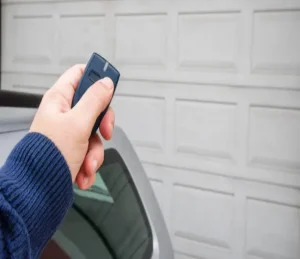
For those with automatic garage doors, the remote control could be the source of the problem. If you’re pressing the button and nothing’s happening, the batteries in your remote might be dead or low on power. It’s a small thing, but it happens more often than you’d think. Alternatively, the remote might have lost its connection to the garage door opener. This can occur if the remote’s signal is out of sync with the receiver, perhaps due to interference from nearby electronics or even a neighbor’s similar system.
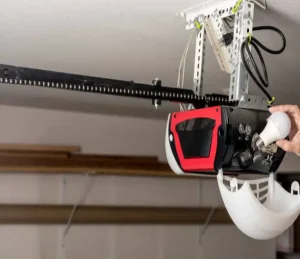
Power issues are another big player. If your garage door relies on an electric opener, a power outage could leave you locked out. Maybe a circuit breaker tripped, or there’s an issue with the wiring leading to the opener. In some cases, the motor itself might have overheated or failed, rendering the system inoperable. If you’re in a rural area or somewhere with unreliable electricity, this could be a recurring headache.
Then there’s the possibility of physical obstructions. Something as simple as debris, like leaves or dirt, could be clogging the tracks or rollers, making it impossible for the door to slide or roll open. If your garage door is a swing-out or side-hinged model, an object like a bin or a bike might be blocking its path. Weather can also play a role here. In colder climates, ice or snow could be freezing the door in place, especially if it’s a metal door prone to sticking in extreme temperatures.
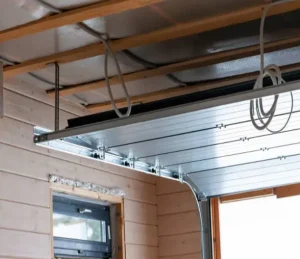
Mechanical failures are another factor. Over time, components like springs, cables, or rollers can wear out or break entirely. Torsion springs, for example, bear a lot of the door’s weight, and if one snaps, the door might feel impossibly heavy or refuse to move at all. Similarly, misaligned tracks can cause the door to jam, leaving you stuck outside. These issues often stem from regular wear and tear, especially if the door hasn’t been maintained in a while.
If you’re dealing with a smart garage door system, technology could be the culprit. A glitch in the app or a lost internet connection might prevent the door from responding to your commands. Maybe the system’s software is outdated, or there’s a compatibility issue with your phone or home Wi-Fi network. In some cases, a recent power surge could have fried the control board, leaving the system unresponsive.
External factors might also be at play. If you rent your home or share the garage, someone else like a landlord or neighbor—might have changed the access code or rekeyed the lock without telling you. In rare cases, vandalism or attempted break-ins could damage the door or lock, making it impossible to open. And if you’ve recently moved or are trying to access a garage at a new property, you might simply not have the correct key or code.
Environmental conditions can’t be ignored either. Heavy rain or flooding might cause the door to swell or warp, particularly if it’s made of wood, making it stick in the frame. High humidity can also affect the door’s alignment or cause rust in metal components, adding to the resistance.
There’s the human element. Maybe you’re using the wrong key or remote by mistake a common mix-up if you’ve got multiple keys on your ring. Or perhaps the access code was changed, and you weren’t informed, leaving you punching in the wrong numbers. It’s also possible that the door was accidentally locked from the inside, especially if someone else has access to the garage.
Whatever the reason, being unable to access your garage door is a hassle. It could be a simple fix or something more complicated, but pinpointing the cause is the first step to understanding what’s going on. From mechanical failures to technological glitches, the possibilities are plenty, and each one adds its own layer of inconvenience to your day.